PROTECTION AND SECURITY PLAN
FOR THE COFFEE HARVEST 2026/2027
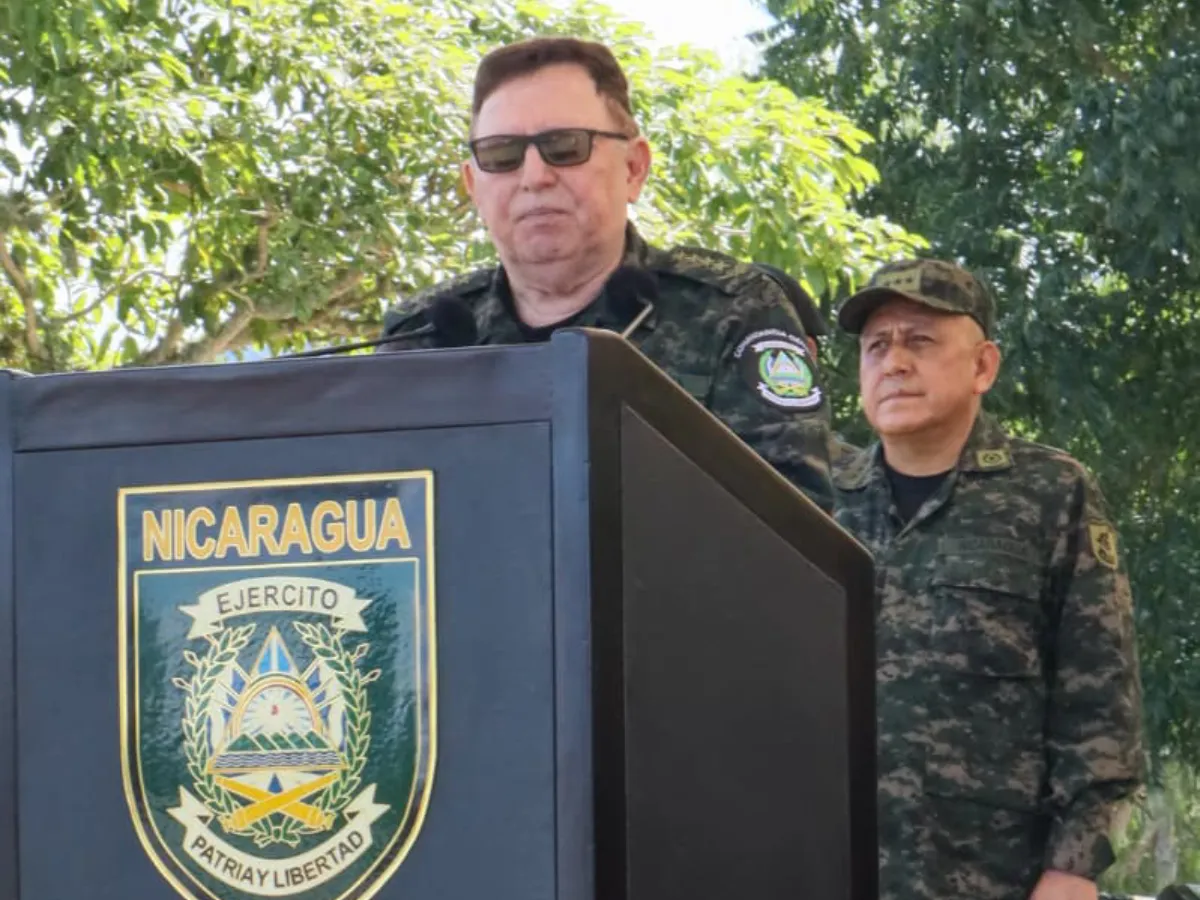
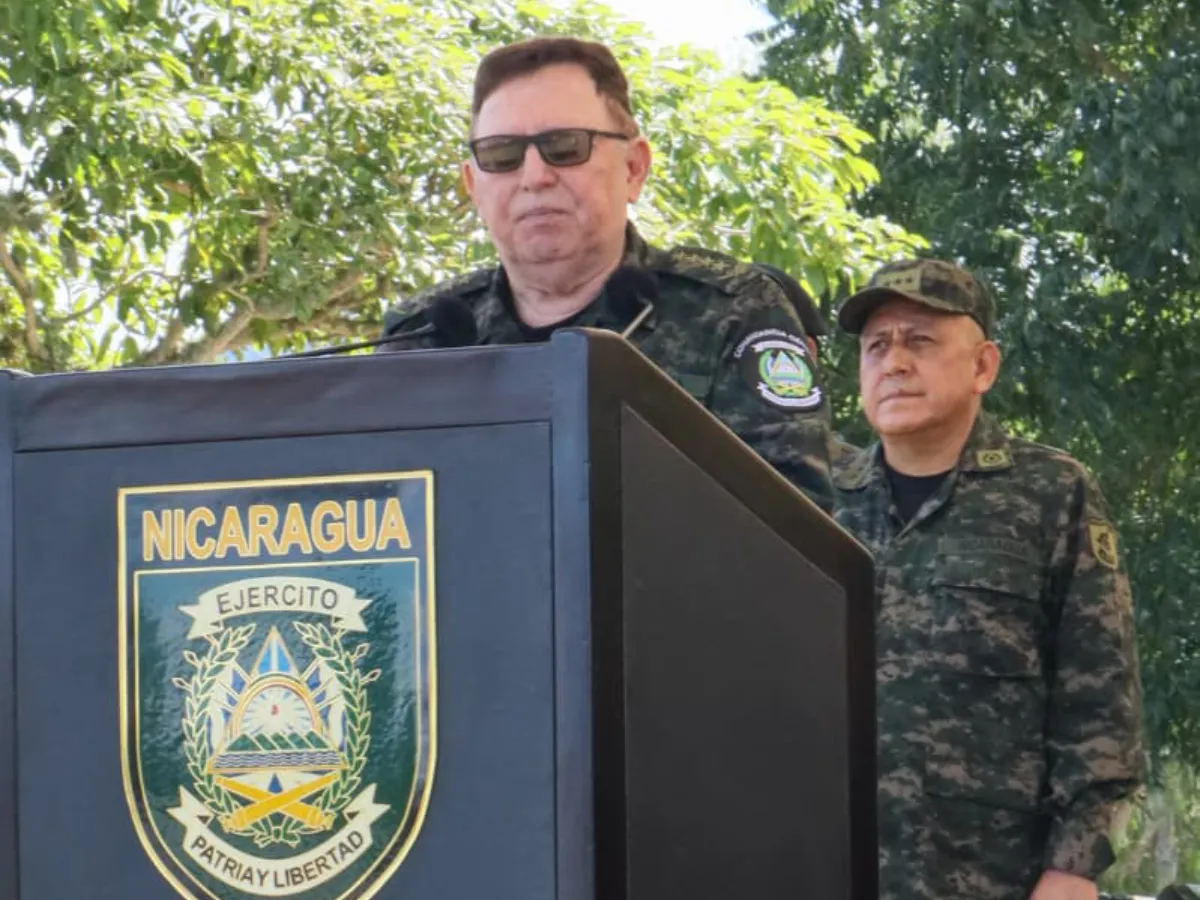
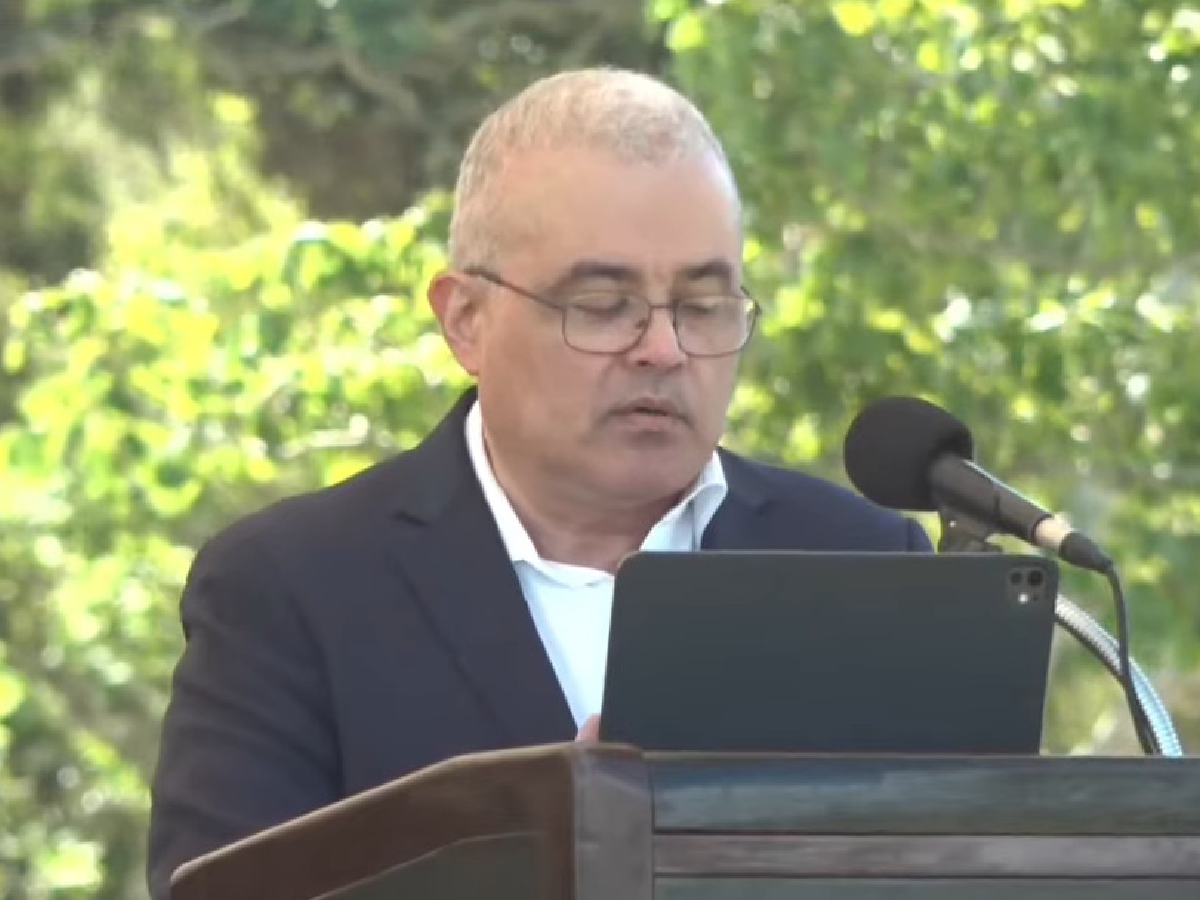
Address by Compañero Ovidio Reyes R.,
Representing the People President
Apanás, Jinotega
Saturday, October 24, 2026.
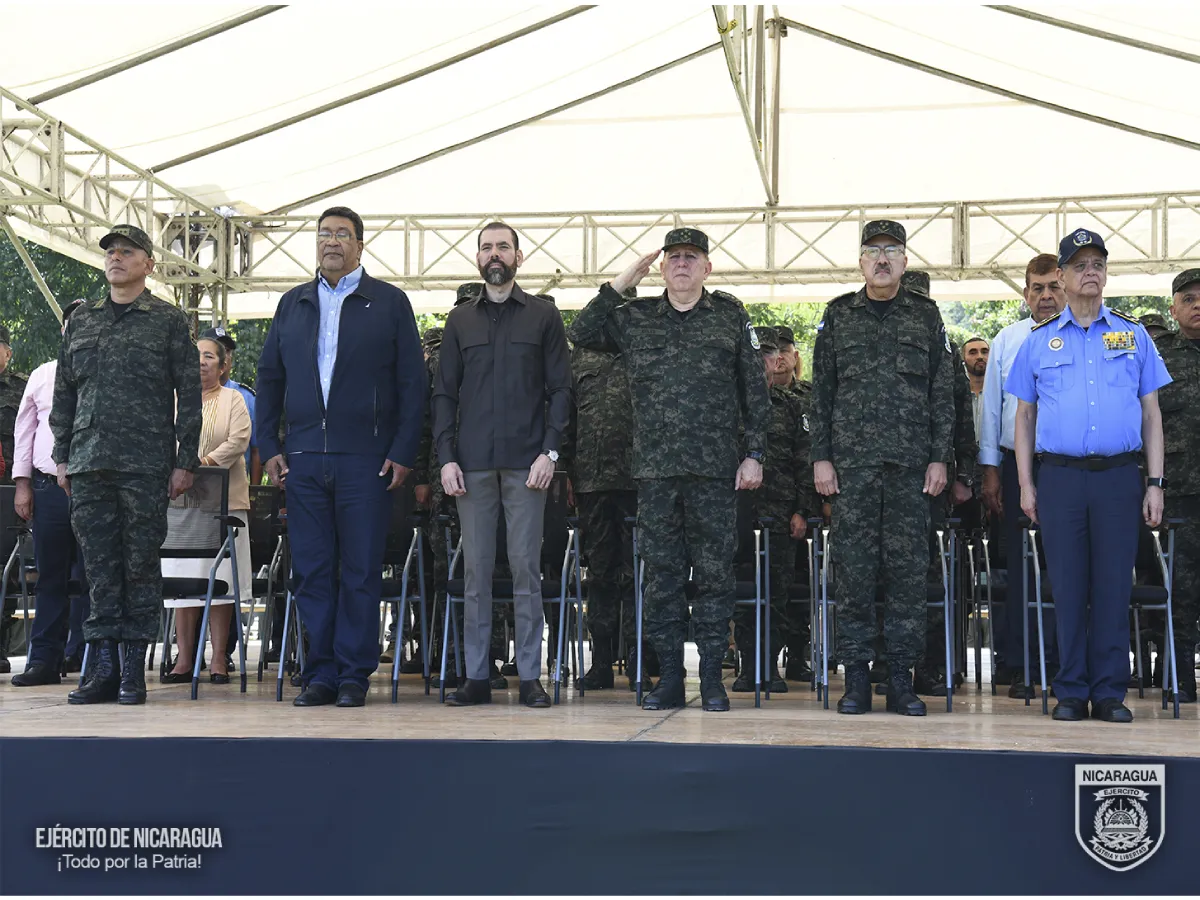
General Julio César Avilés,
Commander-in-Chief of the Nicaraguan Army
Commissioner General Francisco Díaz,
Co-Director of the National Police
Compañero Laureano Ortega,
Presidential Advisor for the Promotion of Investments, Trade and International Cooperation
Ministers and Directors of the National System of Production, Consumption and Trade
Members of the National Commission for the Transformation of coffee culture - CONATRADEC
Diplomatic Corps and Military Attachés
Local and Municipal Authorities
Coffee Producers and Producers
All those invited to this event
Introduction
Good morning to everyone present. It is an honor for me to address you in these beautiful Apanás Mountains, in the heart of Jinotega, origin of our best coffee.
I convey to you the affectionate greetings and best wishes for success from Co-President of the Republic, Comandante Daniel Ortega Saavedra, and from Co-President of the Republic, Compañera Rosario Murillo, who have guided the implementation of this Plan for the Protection and Security of the Coffee Harvest, trusting that, as in previous years, we will achieve the best results.
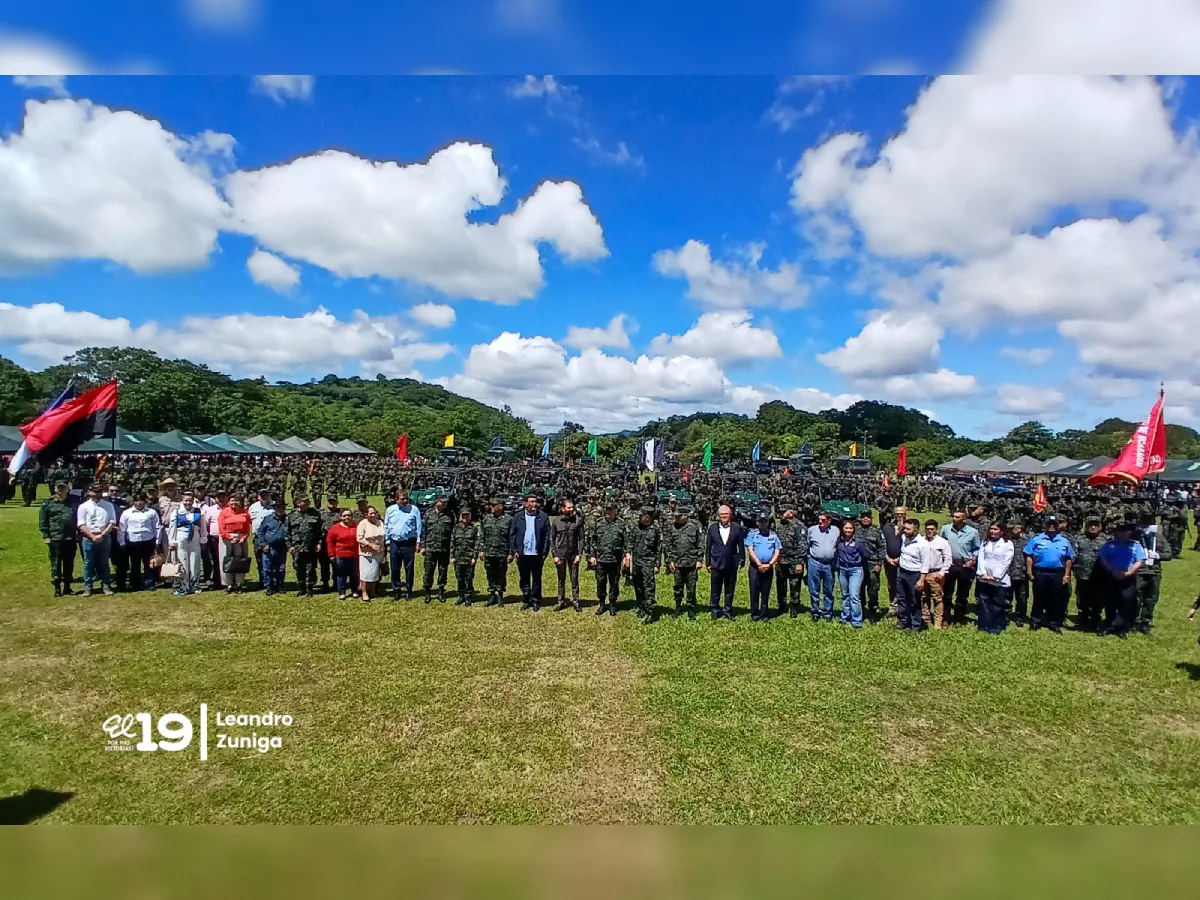
I extend a fraternal greeting to the representatives of the Government institutions, the municipalities, the Diplomatic Corps and the military attachés who are accompanying us. A special recognition and gratitude to the command and members of the Nicaraguan Army and the National Police, who will once again be on the front lines to protect this coffee harvest.
And, of course, a fraternal embrace to the producers who are with us today, and to the more than 55 thousand Nicaraguan families who, in the 60 municipalities where coffee is grown, put their sweat, knowledge and love into every bean for their well-being and national development.
Today we are here to start the coffee production cycle 2026-2027. And we do it with a deep conviction: coffee cannot be harvested or marketed without Stability and Peace.
Stability, a key condition to encourage production
Let's talk first about stability, which is fundamental for investment, production and marketing decisions.
In recent years, we have seen how the Nicaraguan economy has shown a strength that few expected. Despite the challenges of the world, conflicts and uncertainties, our country has maintained a path of sustained growth.
In 2025, we closed with a Gross Domestic Product growth of 4.9 percent, exceeding expectations. And this 2026, we are on the same path, growing by 4.1 percent during the first half of 2026. Economic activity remains dynamic, trade is active, and investment, both public and private, continues to drive development, growing at 18%.
But growth is of very little use if it does not translate into well-being for families. Therefore, it is essential to highlight price stability. Inflation in our country has remained low and controlled, about 2.8 percent accumulated in 2026. The Government's policy is to protect the purchasing power of Nicaraguans. That the salary of the coffee workers has the same value as yesterday, and that the inputs for the farm do not skyrocket overnight.
And how has the government done it this year? Subsidizing the domestic price of fuels, which at the international level have been raised by geopolitical conflicts. This subsidy prevents costs from skyrocketing so that they do not affect production and consequently prevent the prices of goods from increasing.
Exchange rate stability has also been key. As a Central Bank, we have worked to ensure that the Córdoba is a sound currency and remains stable against the dollar, that there is sufficient liquidity in the market and that exporters have certainty when selling their products.
Coffee shines in exports
And in this framework of stability, coffee has shone in its own right.
Coffee remains one of the fundamental pillars of our exports. There are more than 435,000 acres, there are 55 thousand families that live from this activity, and there are more than 500 thousand direct and indirect jobs generated in rural areas.
Let's take a brief review of what we have achieved. In 2025, our coffee exports reached a record figure of US$918.4 million. It was an exceptional year, driven by good international prices and the efforts of our producers.
But this 2026, we are working for more! At the end of September of this year, our accumulated exports have already reached US$691 million. This gives us the certainty that, at the end of the year, we will be able to far surpass the previous year's record.
How are we achieving this? By the policies and actions we have undertaken. The Government has provided highways, bridges and roads nationwide for the output of production and the mobility of people. Today, the whole country is connected, which allows coffee production to flow efficiently from the farms to the seaports.
Likewise, seaports are being expanded and border crossings modernized to speed up the mobilization of production and strengthen our position in international trade. All these actions reduce costs, improve efficiency and encourage coffee production.
Electricity now reaches every last corner of the country, reaching an unprecedented electrification rate, and projects are being promoted for solar generation and renewable energies which guarantee a stable supply for the agribusiness.
Social investment adds to all this: hospitals, schools and technological centers are being built for the training of workers. Because a healthy, educated workforce with access to technology is an engine that drives the quality and productivity of our coffee.
Additionally, producers are accompanied via technical visits to the farms, health care and control, research and provision of technologies, agricultural information services and promotion of the products through fairs and events in all municipalities, as well as participating in national and international events to bring Nicaraguan coffee to all countries.
On the other hand, international coffee prices have been very favorable. The average price of coffee in 2025 was $272 per quintal. And for this cycle, the projection is $294. This means that the producer is receiving a higher income for each quintal delivered. It is a recognition of the effort, the quality and the resilience of our coffee growing families.
Now, let's look ahead to the 2026-2027 cycle that we are inaugurating today.
According to the projections of the National Production, Consumption and Trade Plan, we expect a collection of more than 66 million measures of coffee berry, which is equivalent to approximately three million quintals of gold.
This volume, mainly destined for export, will allow us to continue positioning Nicaragua in the 55 countries we reach, through 110 exporting companies and organizations.
But, we know that the road ahead is not without its challenges. Climate change is still an issue to be monitored. Rain patterns and temperatures drive us to adapt, they require technology from us, they demand knowledge. The arrival of the “El Niño” phenomenon has forced us to face new challenges, to look for alternatives and to improve production systems.
That is why, from the public institutions, the municipalities and with the support of CONATRADEC, we will continue to strengthen technical assistance, coffee schools and training. Because Nicaraguan coffee no longer competes only by price, it competes by quality, it competes by geographical areas. And we achieve this quality with education, with innovation, with technology and with coordinated work together.
Peace, a fundamental condition for production
Now let us return to the central point of our message: Peace.
Coffee production is an activity that requires peace of mind. The farmer needs to feel safe on his farm. The carrier needs to feel safe on the road. The exporter needs to feel safe at the port.
Without peace, there is no harvest. Without security, there is no trade.
Therefore, this Protection and Security Plan is not just a protocol; it is a guarantee of success. It is the certainty that the State and its institutions are present, that the institutions which safeguard security are committed, and that peace is a great incentive for investment and production.
We are deeply grateful to the Nicaraguan Army and the National Police for their professional and tireless work. Thanks to their accompaniment, the coffee flows from the farm to the market, and the money reaches the hands of the families that produce it.
Conclusion
In conclusion, we are convinced that this will be a successful harvest. Not only because of the good prices, not only because of the good production, but because we have the conditions: Peace, Stability, Security and a hard working people.
We urge the producers to continue taking care of the grain, to seek excellence, to trust in the productive model and to have the assurance that the Government and its institutions are on their side, shoulder to shoulder, inch by inch, to take this coffee harvest forward so as to continue paying for Nicaragua’s development.
Our best wishes for this 2026-2027 coffee harvest to be prosperous, safe and full of blessings.
Thank you very much, and may God continue to bless Nicaragua and its coffee.